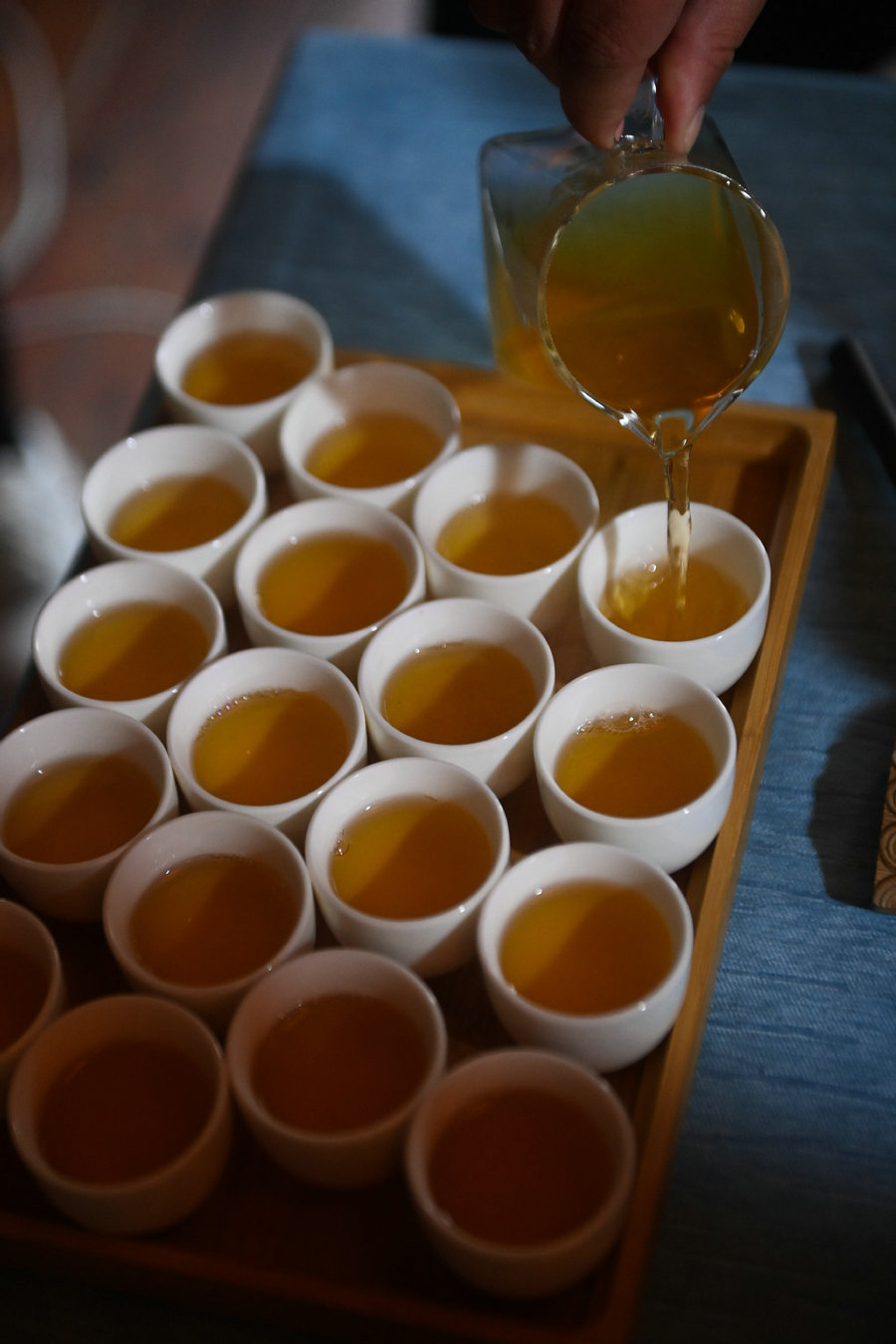
Six Major Categories of Chinese Tea
Introduction
Chinese tea, a cornerstone of Chinese culture, has a history that spans thousands of years. While many are familiar with green and black tea, China boasts a diverse range of tea types categorized into six major categories: green tea, black tea, oolong tea, white tea, yellow tea, and dark tea. This classification was standardized by the International Organization for Standardization (ISO) based on the work of Chinese experts, particularly those at Anhui Agricultural University. The classification system, which was first proposed in 1979 by tea science pioneer Chen Chuan, has been widely adopted in China and was officially recognized internationally in March 2023. The six categories are defined by their unique processing techniques, which influence their flavor profiles, aromas, and health benefits. This standardization helps consumers, traders, and governments better understand and appreciate the diversity of Chinese tea.
The preparation of tea involves intricate processes such as aeration, heating, rolling, and fermentation, which vary significantly across the six types. Beyond these basic categories, teas can be further processed into products like scented tea, compressed tea, and instant tea. Chinese tea culture has also played a pivotal role in shaping global tea traditions, as tea spread from China to the rest of the world via trade routes like the Silk Road and the Tea Horse Road. This article delves into the six major categories of Chinese tea, their cultural significance, and their global influence.
The Six Major Categories of Chinese Tea
Green Tea
Green tea is the most popular and widely consumed type of tea in China, known for its fresh, grassy flavor and health benefits. It is minimally processed, with fresh tea leaves undergoing steaming or pan-firing to prevent oxidation. This preserves the tea's natural green color and delicate flavor. Green tea is considered "cool" in traditional Chinese medicine, making it ideal for soothing restlessness during hot summers.
Some of the most famous green teas in China include:
West Lake Longjing (Dragon Well): Produced in Hangzhou, Zhejiang province, this tea is renowned for its flat, smooth leaves and a sweet, nutty flavor. It has been a favorite since the Qing Dynasty and is often associated with Emperor Qianlong.
Biluochun: Grown in Jiangsu province, this tea is known for its tightly curled leaves resembling snail shells and its fruity aroma.
Huangshan Maofeng: Harvested in Anhui province, this tea features leaves shaped like bird tongues and offers a floral fragrance.
Xinyang Maojian: A Maojian tea from Henan province, it is prized for its one-bud-one-leaf plucking standard and robust flavor.
Lu'an Melon Seed: Unique for its lack of buds or stems, this Anhui tea has a distinctive orchid-like fragrance.
Taiping Houkui: A large-leaf green tea from Anhui, it is known for its bold flavor and historical significance.
Green tea is celebrated for its antioxidant properties, ability to refresh the mind, and potential to reduce cholesterol and neutral fats in the blood.
Black Tea
Black tea, known as "red tea" in China due to the reddish color of its brewed liquor, is fully oxidized, giving it a rich, robust flavor. Black tea originated in China, with its roots tracing back to the Wuyi Mountains in Fujian province. The first black tea, Lapsang Souchong, was accidentally created when villagers roasted oxidized tea leaves with pinewood to salvage a ruined harvest. This tea became a global sensation, leading to the development of other black teas.
Famous black teas include:
Jin Jun Mei: A premium black tea from Tongmu Village in Fujian, known for its golden tips and sweet, mellow flavor.
Keemun: Produced in Qimen county, Anhui province, this tea is famous for its floral aroma and balanced taste.
Dianhong: A Yunnan black tea with a malty flavor and golden tips.
Black tea is often consumed with milk or sugar in Western countries, but in China, it is appreciated for its natural sweetness and complexity.
Oolong Tea
Oolong tea is a semi-oxidized tea that bridges the gap between green and black tea. It is known for its complex flavors, ranging from floral and fruity to roasted and nutty, depending on the degree of oxidation and roasting. Oolong tea is often associated with the Wuyi Mountains and Anxi county in Fujian province, as well as Taiwan.
Notable oolong teas include:
Tieguanyin: A floral and aromatic tea from Anxi, Fujian.
Da Hong Pao: A famous rock tea from the Wuyi Mountains, known for its mineral-rich flavor.
Dong Ding: A Taiwanese oolong with a sweet, creamy taste.
Oolong tea is celebrated for its ability to aid digestion, promote weight loss, and provide a calming effect.
White Tea
White tea is the least processed of all tea types, made by simply withering and drying young tea buds and leaves. This minimal processing preserves the tea's natural sweetness and delicate flavor. White tea is primarily produced in Fujian province, with Fuding and Zhenghe being the most famous production areas.
Popular white teas include:
Baihao Yinzhen (Silver Needle): Made exclusively from young buds, this tea is prized for its light, sweet flavor.
Bai Mudan (White Peony): A blend of buds and leaves, offering a fuller flavor.
Shoumei: A more robust white tea made from mature leaves.
White tea is known for its high antioxidant content and potential health benefits, including boosting the immune system and promoting skin health.
Yellow Tea
Yellow tea is a rare and unique tea that undergoes a slow oxidation process called "sealed yellowing," which gives it a distinctive yellow color and mellow flavor. This tea is produced in limited quantities in regions like Hunan, Anhui, and Sichuan provinces.
Famous yellow teas include:
Junshan Yinzhen: A bud-only tea from Hunan's Junshan Island.
Meng Ding Huangya: A yellow tea from Sichuan province.
Huoshan Huangya: Produced in Anhui province, known for its sweet and nutty flavor.
Yellow tea is appreciated for its smooth taste and digestive benefits.
Dark Tea
Dark tea, also known as fermented tea, undergoes microbial fermentation, which gives it a rich, earthy flavor and a long shelf life. It is often compressed into bricks or cakes for storage and transport. Dark tea is most famously associated with Pu'er tea from Yunnan province.
Key types of dark tea include:
Pu'er Tea: Available in raw (sheng) and ripe (shou) forms, Pu'er tea is aged to develop complex flavors.
Anhua Dark Tea: A Hunan specialty, known for its strong aroma and health benefits.
Dark tea is valued for its probiotic properties, aiding digestion and promoting gut health.
Global Influence and Export
Chinese tea has had a profound impact on global tea culture. Through trade routes like the Silk Road and the Tea Horse Road, tea spread from China to Central Asia, the Middle East, and Europe. Today, China is one of the world's largest tea exporters, with its teas enjoyed in countries like the United States, Britain, and Russia.
The global popularity of Chinese tea has led to increased demand for premium teas like West Lake Longjing and Pu'er. Chinese tea companies are also innovating with new products, such as tea-based snacks and cosmetics, to cater to international markets.
In recent years, initiatives like the UNESCO recognition of traditional Chinese tea processing techniques have further elevated the global profile of Chinese tea. Events like the International Tea Day and cultural salons showcase the rich heritage and modern relevance of Chinese tea culture.
Chinese tea, with its six major categories, offers a world of flavors, traditions, and health benefits. Its cultural significance and global influence continue to grow, making it a timeless treasure of Chinese heritage.








